

Bernedoodle: A Complete Guide to This Bernese Mountain Dog Poodle Mix
A Bernedoodle is created by crossing a Bernese Mountain Dog with a Poodle. This cross is called a hybrid because it brings together two different purebred dogs. The result is a dog that is often described as smart, affectionate, and easy to live with.
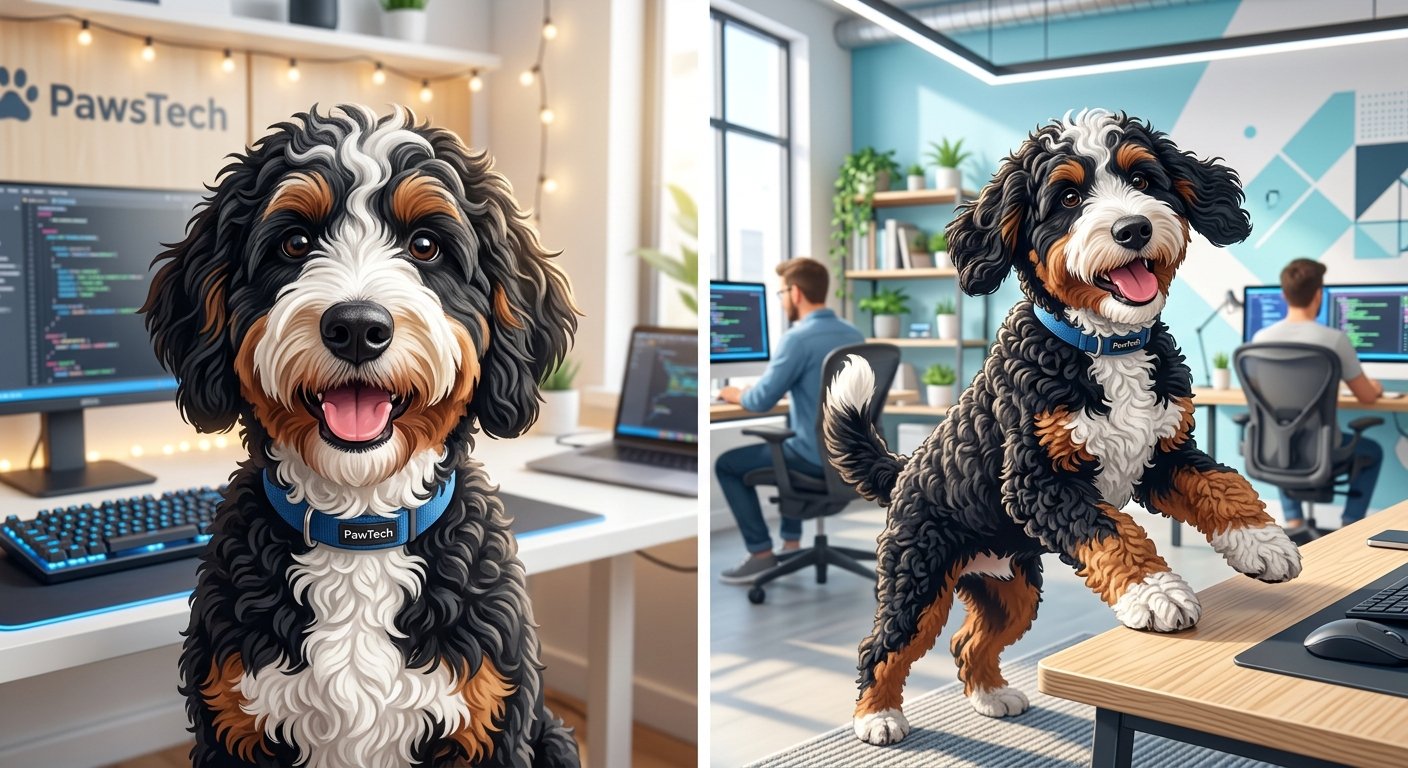
The Bernedoodle breed has grown popular over the past decade. Many families are drawn to the Bernedoodle dog because it combines the calm nature of the Bernese Mountain Dog with the sharp mind of the Poodle. This mix is not recognized as an official breed by major kennel clubs, but it is bred with care by many dedicated breeders across the country.
This article explains what a Bernedoodle is, how big it gets, what colors it comes in, how it behaves, and what it needs to stay healthy. FAQs are added at the end to answer common questions asked by people searching for a Bernedoodle puppy.
What Is a Bernedoodle?
A Bernedoodle is a designer dog. It is not a purebred animal, and it is not accepted by the American Kennel Club as a standard breed. Instead, it is bred by pairing a Bernese Mountain Dog with a Poodle, either a Standard, Miniature, or Toy Poodle.
The bernese mountain dog poodle mix breed was first developed in the early 2000s by a Canadian breeding company. The goal was simple: combine the gentle temperament of the Bernese Mountain Dog with the low-shedding coat and intelligence of the Poodle.
Because it is a mixed breed, a Bernedoodle puppy can take on features from either parent. Some puppies look more like a Bernese Mountain Dog, while others resemble a Poodle more closely. This variation is part of what makes each Bernedoodle mix unique.
Types of Bernedoodle
Bernedoodles are grouped by size. The size of the puppy depends on which type of Poodle was used in the pairing.
Standard Bernedoodle
A standard Bernedoodle is bred using a Standard Poodle. This is the largest type and is closest in size to a full Bernese Mountain Dog. A standard Bernedoodle puppy usually grows into a large adult dog with a sturdy frame.
Mini Bernedoodle
A mini Bernedoodle is bred using a Miniature Poodle. This type is smaller than the standard version but still has a solid, muscular build. A mini Bernedoodle puppy is a good choice for owners who want a medium-sized dog without the extra bulk of the standard type.
Tiny Bernedoodle and Micro Bernedoodle
A tiny Bernedoodle, sometimes called a micro Bernedoodle, is bred using a Toy Poodle. This is the smallest type of Bernedoodle and fits well in smaller homes or apartments. These dogs keep the same friendly nature as their larger relatives, just in a smaller body.
Bernedoodle Colors and Coat Patterns
The Bernedoodle comes in a wide set of colors and coat patterns, which is one reason the breed draws so much attention online.
- Tricolor Bernedoodle – This pattern shows black, white, and rust markings, closely matching the traditional Bernese Mountain Dog look.
- Phantom Bernedoodle – A dark base coat is paired with lighter markings above the eyes, on the chest, and on the legs.
- Merle Bernedoodle – A mottled or speckled coat pattern with patches of color mixed through the base coat.
- Sable Bernedoodle – A coat with dark-tipped hairs over a lighter base, giving it a shaded appearance.
- Black and White Bernedoodle – A simpler two-color pattern without the rust markings seen in tricolor dogs.
Coat color in a Bernedoodle is decided by genetics passed down from both parent breeds, so puppies from the same litter can look quite different from one another.
Bernedoodle Coat Type
The Bernedoodle coat can range from wavy to curly, depending on how strongly the Poodle genes come through.
A bernedoodle curly coat sheds very little and is often chosen by people with mild allergies. A bernedoodle wavy coat sheds a bit more but still sheds far less than a purebred Bernese Mountain Dog. Neither coat type is fully hypoallergenic, but both are considered low-shedding when compared to many other breeds.
Bernedoodle Size, Weight, and Height
Bernedoodle size depends heavily on the type.
| Type | Weight | Height |
|---|---|---|
| Standard Bernedoodle | 70–90 lbs | 23–29 inches |
| Mini Bernedoodle | 25–49 lbs | 18–22 inches |
| Tiny/Micro Bernedoodle | 10–24 lbs | Under 18 inches |
A full grown Bernedoodle reaches its adult size between 12 and 18 months of age, though standard-sized dogs can take up to 2 years to finish filling out. Bernedoodle weight and bernedoodle height are both influenced by the size of the Poodle parent used in the breeding.
Bernedoodle Temperament and Personality
Bernedoodle temperament is one of the biggest reasons people choose this breed. These dogs are known for being gentle, loyal, and eager to please.
Bernedoodle personality traits often include:
- Friendly behavior toward strangers and other pets
- Strong attachment to family members
- High intelligence, inherited from the Poodle side
- A playful, sometimes goofy attitude
Are Bernedoodles friendly? Yes, most Bernedoodles are naturally friendly, both with people and with other animals. This makes them a solid choice for households with multiple pets.
Are Bernedoodles good family dogs? Bernedoodles are widely seen as good family dogs. They tend to be patient and gentle, especially around children. That said, early socialization is still needed so the dog learns how to behave calmly in different settings.
Are Bernedoodles good with children? Most Bernedoodles are good with children, especially when raised alongside them from puppyhood. Their size and calm nature make them well suited to homes with kids, though supervision is always recommended with any large dog and small children.
Bernedoodle Intelligence and Energy Level
Bernedoodle intelligence comes largely from the Poodle side of the family. Poodles are ranked among the smartest dog breeds, and this trait carries over well into the mix.
Bernedoodle energy level is moderate. These dogs enjoy playtime and walks but are not as high-energy as some working breeds. A short walk combined with some play time is often enough to keep a Bernedoodle content.
Bernedoodle Socialization and Separation Anxiety
Bernedoodle socialization should start early, ideally between 8 and 16 weeks of age. Puppies exposed to new people, sounds, and places during this window tend to grow into calmer, more confident adults.
Bernedoodle separation anxiety can develop if the dog is left alone for long periods without training. Because these dogs bond closely with their owners, they may struggle when left by themselves too often. Crate training and gradual alone-time practice can reduce this issue.
Bernedoodle Grooming Needs
Bernedoodle grooming is a regular part of ownership. The coat, whether wavy or curly, needs consistent care to avoid matting.
Bernedoodle brushing should happen two to three times a week at minimum. Dogs with a curlier coat may need brushing every day to prevent tangles.
A bernedoodle haircut is usually needed every 6 to 8 weeks. Many owners take their dog to a professional groomer, though some learn to trim the coat at home with the right tools.
Do Bernedoodles shed? Bernedoodles shed very little compared to purebred Bernese Mountain Dogs. This makes cleanup easier, but it also means the coat needs more brushing and trimming to stay neat, since loose hair does not fall out on its own as easily.
Bernedoodle Training
Bernedoodle training tends to go smoothly because of the breed’s intelligence and eagerness to please. Positive reinforcement methods, such as treats and praise, work well with this breed.
Bernedoodle puppy training should begin as soon as the puppy comes home. Basic commands like sit, stay, and come can be introduced within the first few weeks. Consistency matters more than intensity when training a young Bernedoodle.
Bernedoodle crate training is recommended for house-training and for helping the dog feel secure when left alone. A crate that is the right size, paired with a calm and steady routine, usually produces good results within a few weeks.
Bernedoodle Exercise Needs
How much exercise does a Bernedoodle need? On average, 30 to 60 minutes of daily activity is enough. This can include walks, fetch, or off-leash play in a fenced yard.
Bernedoodle exercise should be adjusted based on size and age. Standard Bernedoodles can handle longer walks, while tiny Bernedoodles need shorter, gentler sessions. Puppies should avoid long, hard exercise until their joints are fully developed.
Bernedoodle Diet and Feeding
Bernedoodle diet should be based on high-quality dog food suited to the dog’s size and age. Puppies need food formulated for growth, while adult dogs do better on a maintenance formula.
Bernedoodle feeding amounts vary by size:
- Tiny/Micro Bernedoodle: about 1–1.5 cups per day
- Mini Bernedoodle: about 1.5–2.5 cups per day
- Standard Bernedoodle: about 2.5–4 cups per day
These amounts should be split into two meals a day for adult dogs. A veterinarian can help set the exact portion based on the individual dog’s weight and activity level.
Bernedoodle Care Overview
Bernedoodle care covers more than grooming and feeding. Routine nail trims, ear cleaning, and dental care are all part of keeping the dog healthy. Regular vet visits help catch any problems early, which matters more with a mixed breed that carries health risks from both parent lines.
Bernedoodle Health and Common Issues
Bernedoodle health is generally good, though the breed can inherit conditions from either parent.
Bernedoodle common health issues include:
- Bernedoodle hip dysplasia – A joint condition where the hip socket does not form correctly, leading to pain or stiffness over time.
- Elbow dysplasia – Similar to hip dysplasia but affecting the front legs.
- Eye conditions – Some Bernedoodles inherit eye problems from the Poodle side.
- Certain cancers – Bernese Mountain Dogs are known to carry a higher cancer risk, which can be passed down.
- Von Willebrand’s disease – A blood clotting disorder found in some lines.
Bernedoodle genetic health problems can often be reduced through responsible breeding practices, including health testing of both parent dogs before breeding.
Bernedoodle allergies are less common in owners because of the low-shedding coat, though no dog breed is completely allergen-free.
Bernedoodle vet care should include yearly checkups, vaccinations, and screening for joint or eye issues, especially as the dog ages.
Bernedoodle Lifespan
How long do Bernedoodles live? A Bernedoodle lifespan typically falls between 12 and 18 years. Smaller Bernedoodles tend to live longer than standard-sized ones, which is common across most dog breeds.
Diet, exercise, and regular vet care all play a part in helping a Bernedoodle reach the higher end of this range.
Bernedoodle Price and Cost
How much does a Bernedoodle cost? Bernedoodle price generally ranges from $2,000 to $5,000, depending on size, coat color, and breeder reputation. Rare colors, such as merle, often cost more.
Bernedoodle cost does not end at the purchase price. Food, grooming, vet visits, and supplies add up over the dog’s lifetime, so budgeting for these ongoing expenses matters before bringing a puppy home.
Finding Bernedoodle Puppies
Bernedoodle puppies for sale can be found through breeders who specialize in Poodle mixes. When searching for a Bernedoodle for sale, it helps to ask about health testing, living conditions, and how the puppies are socialized before going to new homes.
Reputable Bernedoodle breeders will:
- Provide health clearances for both parent dogs
- Allow visits to see where puppies are raised
- Offer support and answers to questions after purchase
- Avoid breeding dogs with known genetic issues
Searching for “Bernedoodle puppies near me” is a common first step, but it helps to look beyond location alone. A breeder with a strong reputation may be worth traveling for.
Bernedoodle adoption is another option. Bernedoodle rescue groups and shelters sometimes have adult dogs available, which can be a good fit for owners who prefer to skip the puppy stage.
Bernedoodle vs Other Popular Doodle Breeds
Bernedoodle vs Goldendoodle
A Bernedoodle comes from a Bernese Mountain Dog and Poodle, while a Goldendoodle comes from a Golden Retriever and Poodle. Bernedoodle vs Goldendoodle temperament comparisons show both breeds are friendly, but Bernedoodles are often described as slightly calmer, while Goldendoodles tend to have a bit more energy.
Bernedoodle vs Aussiedoodle
An Aussiedoodle is a mix of Australian Shepherd and Poodle. Compared to a Bernedoodle, an Aussiedoodle usually has a higher energy level and needs more mental stimulation, since Australian Shepherds are a working breed.
Bernedoodle vs Labradoodle
A Labradoodle combines a Labrador Retriever with a Poodle. Both Bernedoodles and Labradoodles are friendly family dogs, but Bernedoodles tend to be a bit more laid-back, while Labradoodles are often more food-driven and active.
Bernedoodle vs Poodle
A purebred Poodle sheds less and may be easier to predict in terms of size and coat, since it is not a mixed breed. A Bernedoodle offers a similar low-shedding coat but with the added size and calm nature of the Bernese Mountain Dog side.
Bernedoodle vs Bernese Mountain Dog
A purebred Bernese Mountain Dog sheds heavily and has a shorter average lifespan than a Bernedoodle. The Bernedoodle mix was largely created to keep the gentle Bernese temperament while improving on shedding and adding some years to the expected lifespan.
Mini Bernedoodle vs Standard Bernedoodle
A mini Bernedoodle is smaller, easier to manage in tighter living spaces, and often has a slightly longer lifespan. A standard Bernedoodle is larger, better suited to homes with more space, and closer in appearance to a full-sized Bernese Mountain Dog.
Male vs Female Bernedoodle
Male vs female Bernedoodle differences are usually minor. Males can run slightly larger, while females may mature a bit faster. Personality differences come down more to the individual dog than to gender alone.
Is a Bernedoodle Good for First-Time Owners?
Is a Bernedoodle good for first-time owners? In most cases, yes. The breed’s friendly nature and trainability make it manageable for people who have not owned a dog before. Grooming needs and exercise requirements should still be considered, since they do require a steady routine.
Are Bernedoodles good pets overall? For most households, the answer is yes. They combine a gentle nature, solid intelligence, and a coat that works well for people with mild allergies, making the Bernedoodle breed a popular choice among designer dogs.
Final Thoughts
A Bernedoodle brings together the best traits of the Bernese Mountain Dog and the Poodle. From the standard Bernedoodle to the tiny Bernedoodle, there is a size and coat type to fit different homes and lifestyles. With proper grooming, training, and health care, a Bernedoodle can be a loyal companion for well over a decade.






2 Comments