SparkPressFusion com Helps Small Businesses Avoid Costly Cybersecurity Mistakes
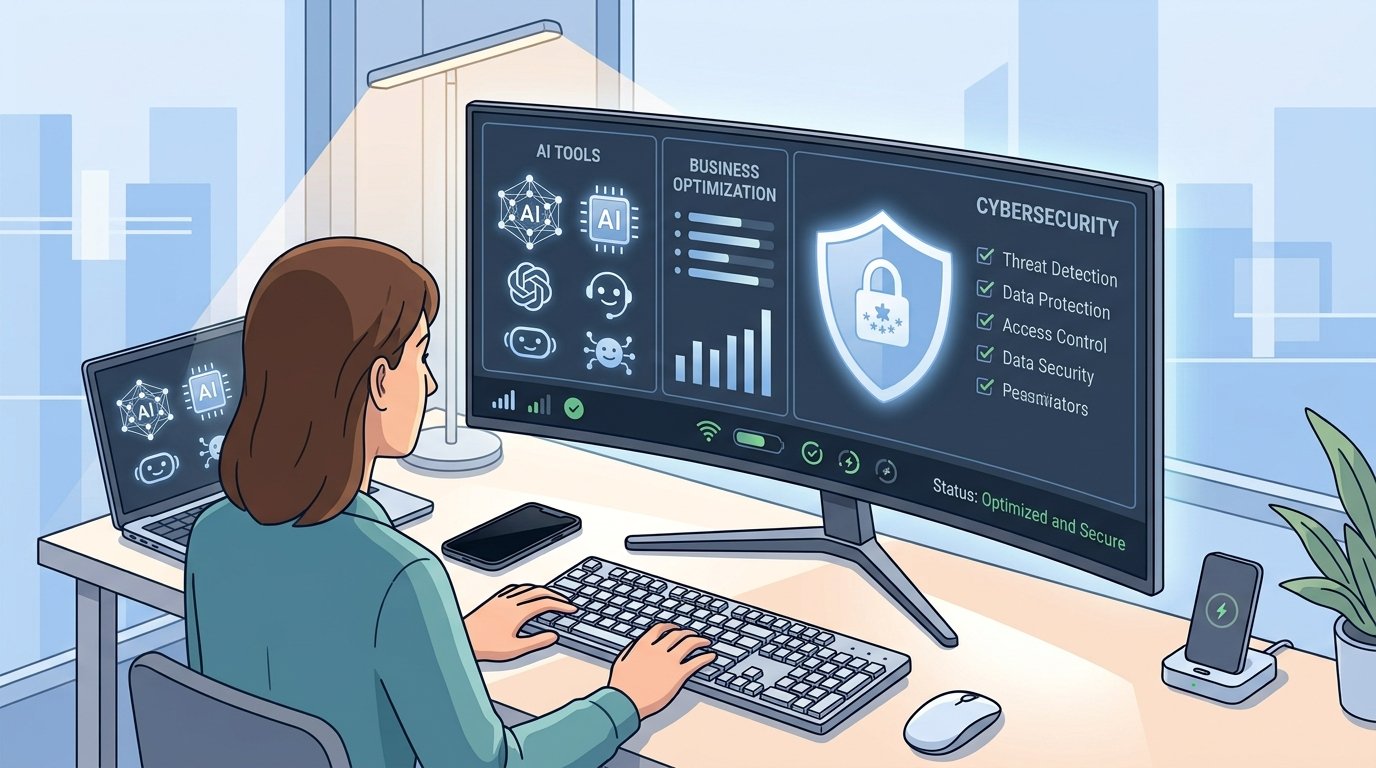
Small business owners are being pulled in two directions at once. On one side, new AI tools promise to save time and cut costs. On the other, cyber threats aimed at smaller companies keep climbing, and most owners don’t have an IT department to lean on. SparkPressFusion com was built to sit at that intersection, covering AI tools and cybersecurity news specifically for small businesses trying to keep up without getting overwhelmed.
This guide walks through what SparkPressFusion com covers, why that combination of topics matters right now, and how to use a resource like this without wasting time on hype.
What Is SparkPressFusion com
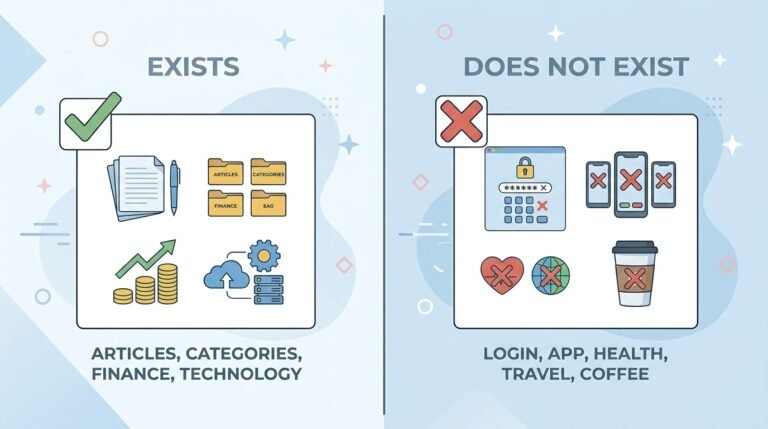
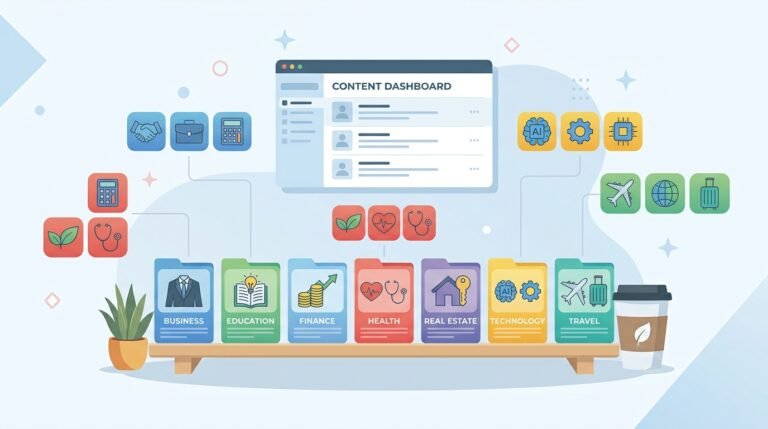
SparkPressFusion com is a content site focused on two connected subjects: AI tools that small businesses can actually use, and cybersecurity news that affects them. Rather than trying to cover every corner of the tech world, the site narrows in on what matters to a business owner who is short on time and doesn’t need a computer science degree to understand the risks.
That focus matters. A lot of tech coverage is written for enterprise IT teams or software developers. sparkpressfusion com Small business owners need something different: plain explanations, practical takeaways, and a sense of which threats or tools are actually worth their attention this month.
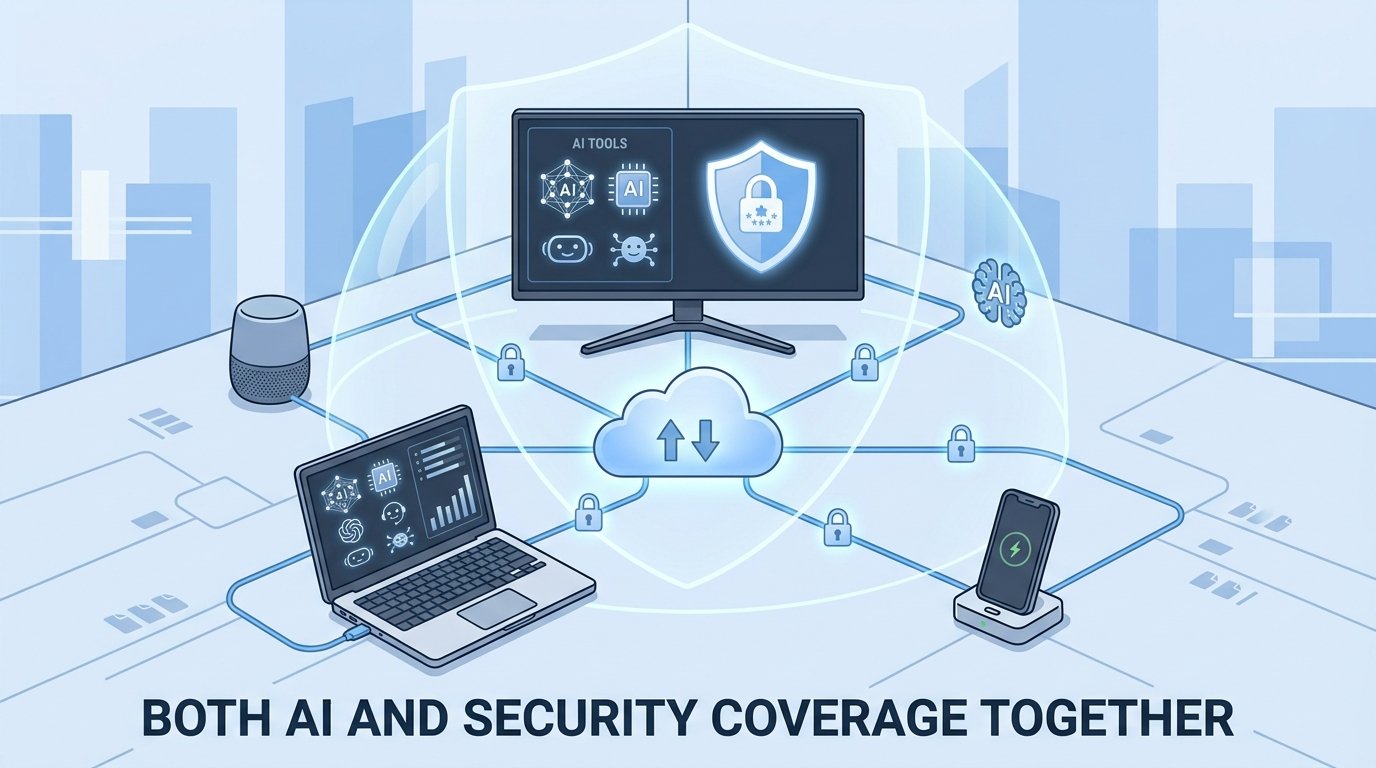
Why Small Businesses Need Both AI and Security Coverage Together
AI tools and cybersecurity might sound like separate topics, but for a small business they’re closely linked.
Adopting a new AI tool often means connecting it to customer data, email, sparkpressfusion com or payment systems. Every new connection is a new potential entry point for attackers. A business that adopts AI quickly but skips basic security steps can end up worse off than one that adopted nothing at all.
This is part of why coverage like SparkPressFusion com AI tools and cybersecurity news for small businesses exists as a single beat rather than two separate ones. Understanding a new tool and understanding its risk profile go hand in hand.
Small businesses are also a known target. According to Wikipedia’s overview of the field, cybersecurity involves protecting computer systems and networks from information disclosure, theft, or damage to hardware, software, or data, and smaller organizations often have fewer resources to defend against these threats than large enterprises do (en.wikipedia.org/wiki/Computer_security). That resource gap is exactly why plain-language coverage aimed at small business owners, rather than IT professionals, has real value.
What Kind of AI Tools Coverage Looks Like
When people search for AI tools coverage, they’re usually trying to answer one of a few questions:
- Is this tool worth paying for
- Will it actually save time or just add another login to manage
- Is my data safe if I use it
- Is there a simpler option that does the same job
A useful AI tools resource for small business answers these questions directly instead of just listing features. It looks at things like:
- What the tool actually automates or speeds up
- Whether it integrates with tools the business already uses
- What data the tool collects and where it’s stored
- Whether the pricing makes sense for a small team versus a large company
What Kind of Cybersecurity News Matters to a Small Business
Not every cybersecurity headline is relevant to a five-person company. A breach at a Fortune 500 bank is interesting, sparkpressfusion com but it doesn’t tell a small business owner what to do on Monday morning.
The cybersecurity coverage that actually helps small businesses tends to focus on:
- Phishing and email scams, since email is still the most common entry point for attacks on small companies
- Password and login security, including multi-factor authentication
- Ransomware trends that specifically target smaller organizations with weaker defenses
- Vendor and software vulnerabilities in tools small businesses commonly use
- Practical, low-cost steps to reduce risk without hiring a full security team
Common Mistakes Small Businesses Make With AI and Security
A few patterns show up again and again.
Adopting AI tools without checking data policies. Many free or cheap AI tools use customer input to train their models. A business that pastes client information into one of these tools may be handing that data over without realizing it.
Treating cybersecurity as a one-time setup. Installing antivirus software once and never updating it is common, and it leaves gaps that attackers actively look for.
Skipping multi-factor authentication. It takes a few extra seconds to log in, but it blocks a large share of account takeover attempts, even when a password has already been stolen.
Assuming the business is too small to be a target. Attackers often prefer small businesses precisely because they expect weaker defenses.
Chasing every new AI tool. Not every trending tool is worth adopting. A smaller set of well-chosen, well-secured tools usually beats a large pile of half-used subscriptions.
Tips for Getting the Most Out of SparkPressFusion com
- Bookmark the AI tools section if your business is actively evaluating new software
- Check the cybersecurity news section on a regular schedule, weekly is usually enough for a small business, rather than only after something goes wrong
- Use articles as a starting point for a conversation with whoever handles IT or security, even if that’s just you
- Pay attention to pieces that explain the “why” behind a recommendation, not just a list of tool names
Frequently Asked Questions
Final Thoughts
Running a small business already means wearing a lot of hats, and keeping up with AI and cybersecurity shouldn’t require becoming an expert in either. SparkPressFusion com aims to close that gap by covering both topics in language built for business owners rather than IT departments. Checking in regularly, rather than only reacting after a problem hits, is the simplest way to get real value out of coverage like this.
Source referenced: Wikipedia, “Computer security” — en.wikipedia.org/wiki/Computer_security